Direct: 281-212-3242 | Toll-Free: 888-601-8411
reservations@ecoamericatours.com

- Home
- Pages
- Tour List
- Tour Search
- Date & Pricing
- Blog
- Portfolio Grid
- Portfolio Masonry
- Portfolio Modern
- Portfolio Side Thumbnail
When Charles Darwin explored the Galapagos Islands in 1835, he traveled by ship because there was no other way to reach this remote archipelago. During his visit, Darwin encountered a remarkably isolated natural environment that would influence his thinking and contribute to the development of the theories that later transformed the scientific world.
More than 180 years later, the Galapagos Islands continue to inspire travelers from around the world. The landscapes, wildlife, and unique ecosystems that fascinated Darwin remain at the heart of the visitor experience today.
For many travelers, an expedition cruise is one of the best ways to explore the Galapagos Islands. Traveling aboard a small expedition vessel allows you to combine comfortable accommodations with daily excursions to different islands, expert naturalist guidance, and the opportunity to experience the archipelago’s remarkable wildlife and landscapes.
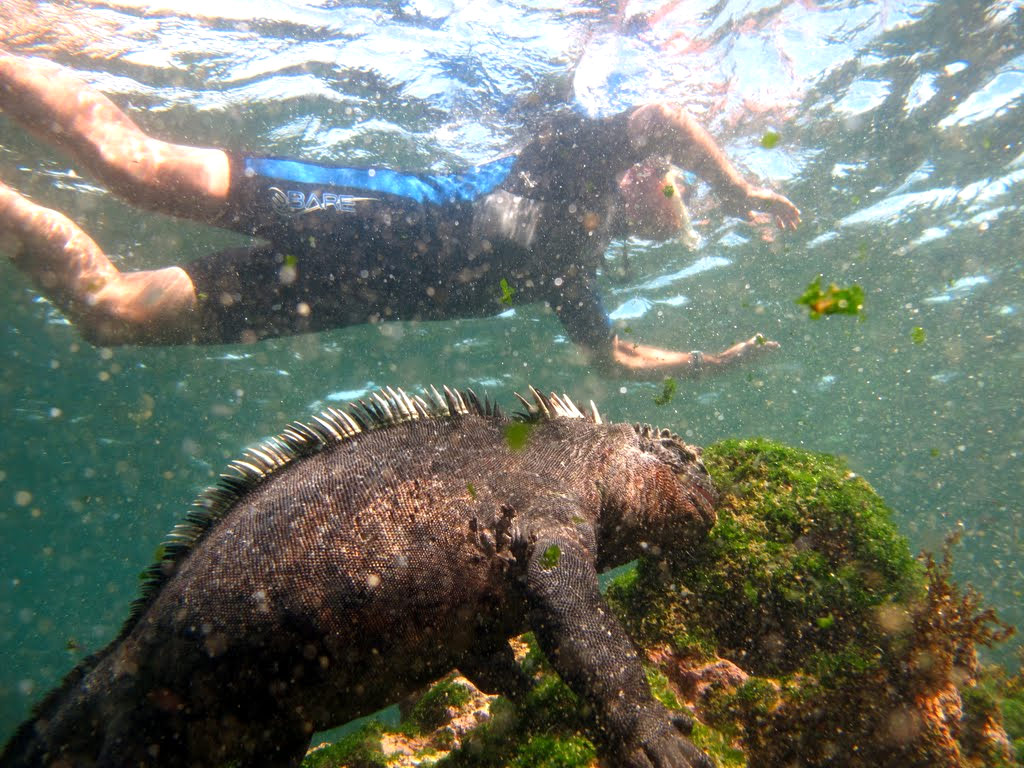
You may walk among marine iguanas basking in the sun, watch blue-footed boobies perform their elaborate courtship displays, observe frigatebirds soaring overhead, or encounter sea lions resting along the shoreline. Because many Galapagos species evolved in an environment with few natural predators, wildlife often appears remarkably undisturbed by human visitors.
Before embarking on a Galapagos cruise, it is helpful to understand what daily life and activities are like aboard an expedition vessel.
A typical Galapagos cruise includes two main excursions each day, usually one in the morning and another in the afternoon. Your naturalist guide will lead you to carefully selected visitor sites, explaining the unique flora, fauna, geology, and history of each location.
Depending on your itinerary, excursions may include hiking along island trails, snorkeling, swimming, wildlife observation, birdwatching, and visits to beaches, lava formations, museums, and research facilities. Some itineraries may also include a visit to the Charles Darwin Research Station on Santa Cruz Island.
Because each island offers a different combination of landscapes and wildlife, traveling by cruise makes it possible to visit several destinations during a single journey. While you sleep aboard the ship, the vessel travels to the next island, allowing you to spend your days exploring rather than repeatedly packing and unpacking.
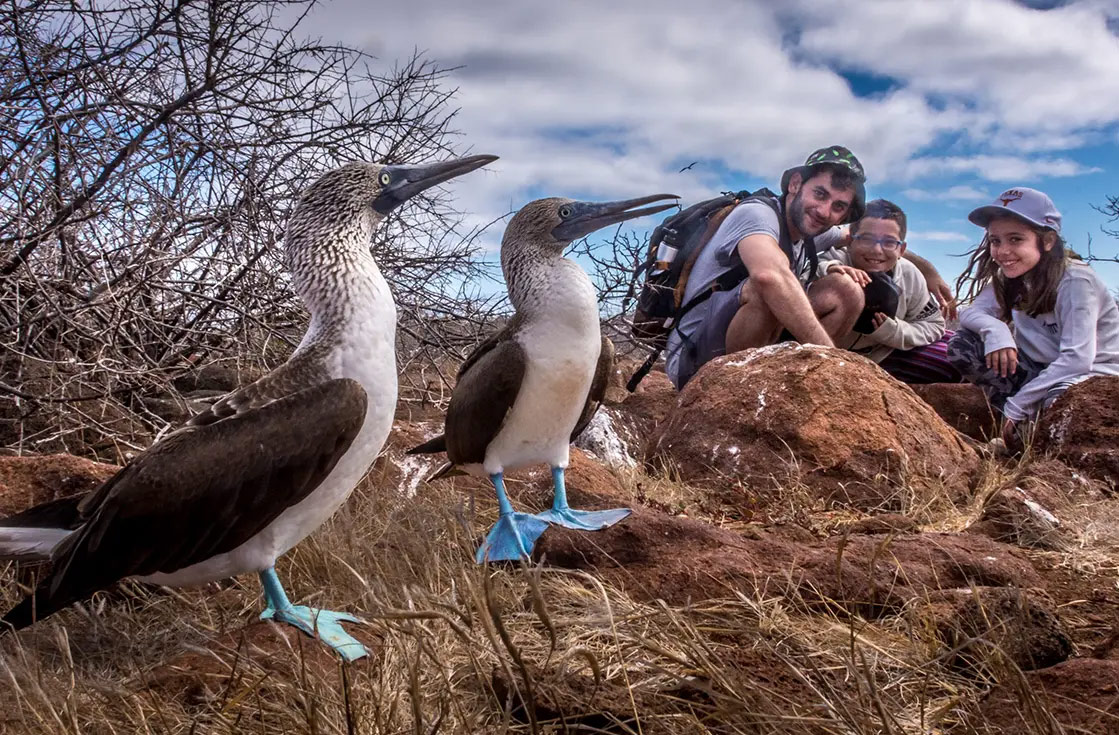
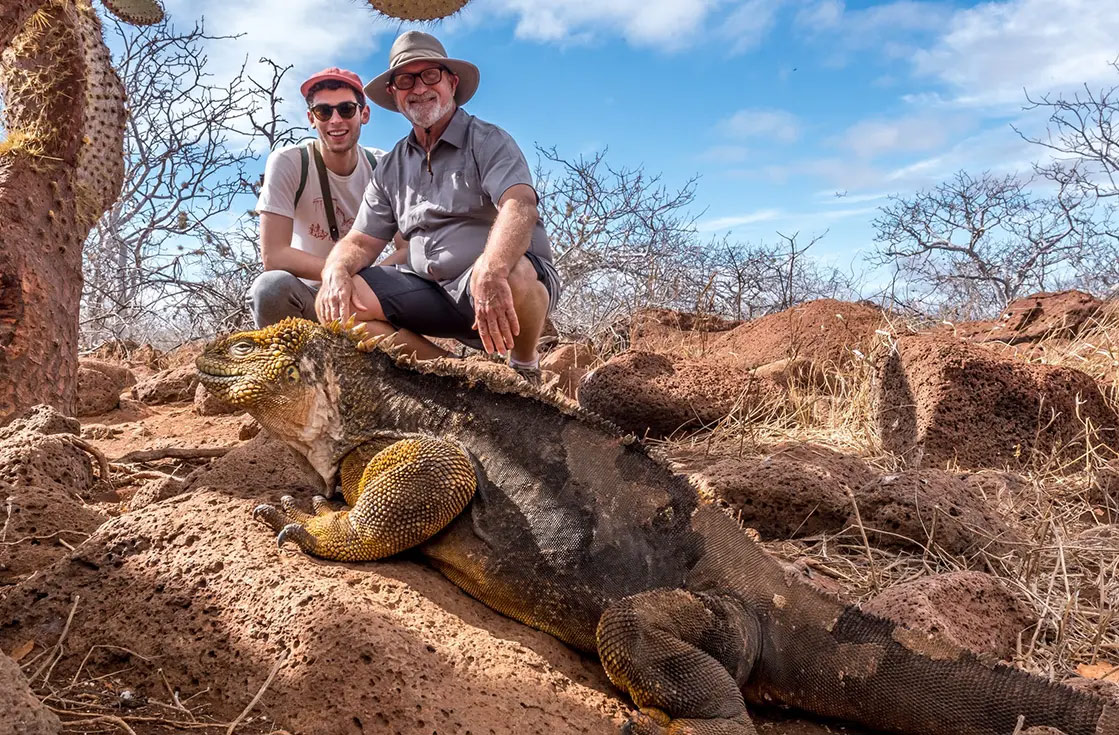
Many Galapagos excursions begin with a transfer from the ship to shore aboard a small inflatable boat known as a panga or dinghy. Depending on the landing site, you will experience either a dry or wet landing.
During a dry landing, you step directly from the dinghy onto a dock, rocks, or another dry surface.
For dry landings, we recommend bringing:
Some landing areas may have wet or uneven rocks, so careful footing is important.
During a wet landing, the dinghy approaches the beach and passengers step into shallow water before walking ashore. Crew members and naturalist guides assist passengers as needed.
For wet landings, consider bringing:
Your guide and crew will explain the landing procedure and provide assistance when necessary.
A Galapagos expedition cruise is very different from a traditional ocean cruise focused primarily on onboard entertainment. Most travelers choose the Galapagos for the opportunity to explore the natural environment and observe wildlife in its native habitat.
Daily activities may include:
The specific activities available depend on the itinerary and the visitor site scheduled for each day.
Most excursions take place on designated trails and are led by certified naturalist guides. The terrain and length of hikes vary, so each excursion is assigned a general difficulty level.
Hiking difficulty ratings provide a general indication of what to expect during an excursion. The actual experience can vary depending on the terrain, weather, temperature, and individual fitness level.
Easy walks generally take place on relatively flat terrain. Surfaces may include sand, dirt, or uneven rocks, but there is little or no significant climbing. These walks typically last up to approximately one hour.
Moderate hikes may include uneven or rocky terrain, slopes, and occasionally slippery surfaces. These excursions generally last around one to one and a half hours, although the duration varies by visitor site.
Difficult hikes may involve steeper terrain, uneven volcanic rock, or areas of broken lava. These excursions may last two to three hours and require a higher level of physical fitness and sure footing.
You do not necessarily need to participate in every activity. If you prefer not to take part in a particular hike, speak with your naturalist guide about the options available. In some cases, simply going ashore and enjoying the surroundings at a more relaxed pace can be a rewarding experience.
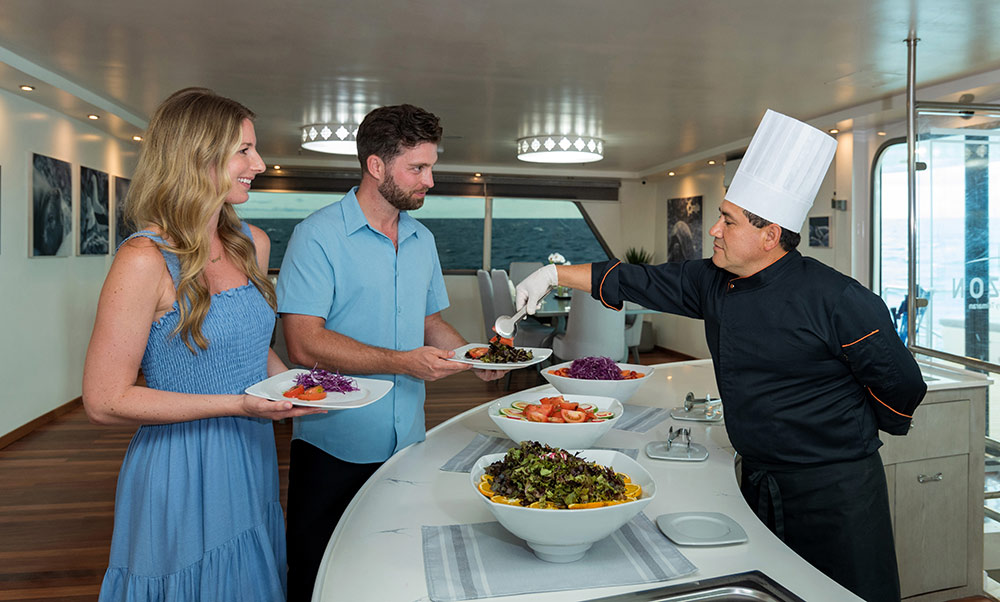
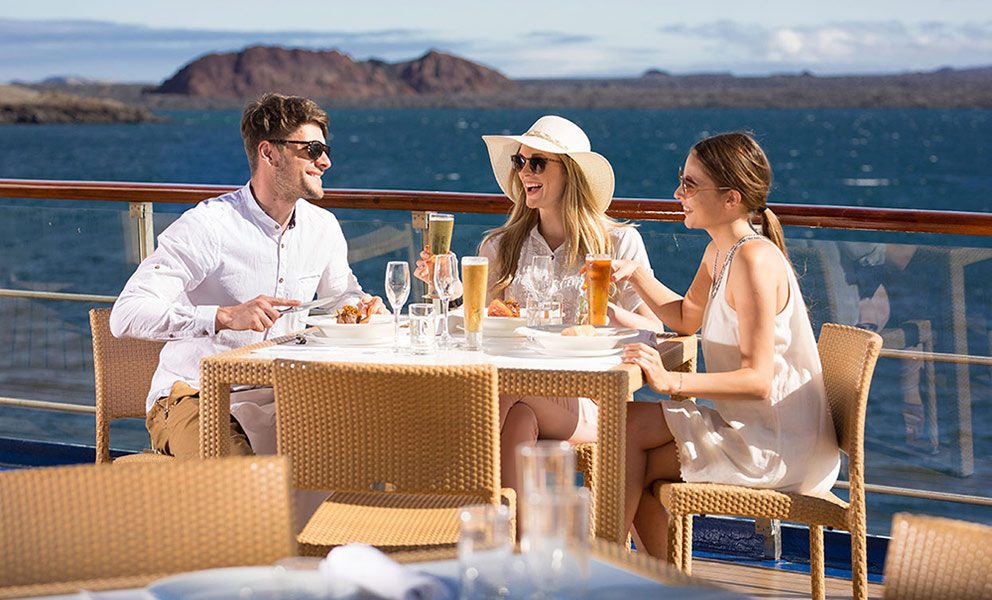
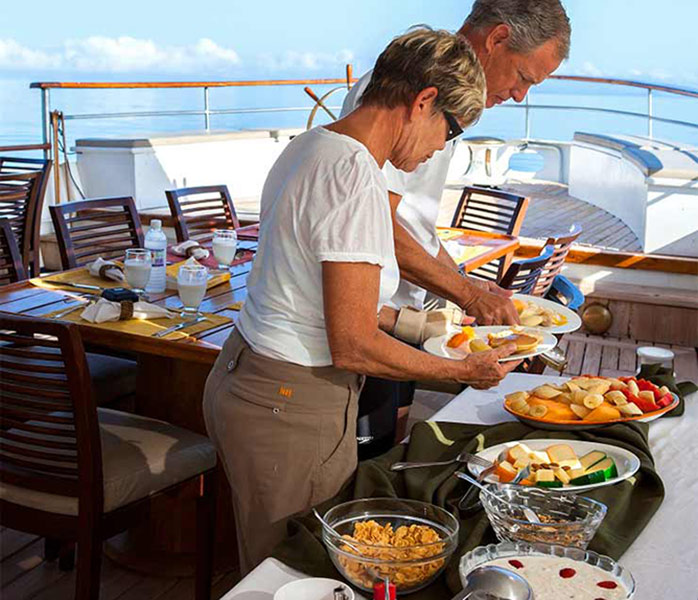
Meals are an important part of the experience aboard a Galapagos expedition vessel. Menus typically combine international cuisine with local ingredients and Ecuadorian flavors.
Depending on the vessel and itinerary, meals may include fresh seafood, meat, vegetables, tropical fruits, and other regional specialties. Vegetarian meals and many dietary requirements can generally be accommodated with advance notice.
If you have food allergies, dietary restrictions, or specific nutritional needs, be sure to communicate them before departure and confirm the arrangements with your cruise operator.
Galapagos expedition vessels operate under applicable Ecuadorian regulations and maritime safety requirements. Ships are equipped with safety systems and procedures designed to protect passengers and crew during navigation, shore excursions, and activities such as snorkeling.
Your crew and naturalist guides will provide instructions regarding safety procedures, transfers between the vessel and shore, and activities during excursions. Following their instructions is particularly important when navigating uneven terrain, entering the water, or boarding and disembarking from the dinghies.
Galapagos tourism also operates within a highly regulated protected area. Visitors must follow the rules established by the Galapagos National Park to help protect the islands’ fragile ecosystems.
A Galapagos cruise combines outdoor activities, hiking, snorkeling, swimming, and time aboard the vessel. Comfortable, lightweight clothing is therefore essential.
Recommended items include:
The Galapagos experiences two primary seasons. The warmer and generally wetter season runs approximately from December through May, while the cooler and generally drier season is usually associated with June through November. Weather conditions can vary, so packing layers and sun protection is advisable year-round.
Although the Galapagos is near the equator, conditions are not always hot and sunny. Ocean currents and seasonal weather patterns can significantly influence temperatures, cloud cover, wind, and rainfall.
Tipping is generally discretionary, and the appropriate amount depends on the quality of service, the length of the cruise, the type of vessel, and the cruise operator’s customary guidelines.
Naturalist guides and crew members often play an important role in the overall experience, assisting passengers with excursions, transfers, meals, and daily activities. Many travelers choose to recognize exceptional service with a gratuity at the end of the cruise.
Because tipping recommendations vary among operators, it is best to check the specific guidelines for your vessel before departure. Ultimately, the amount should reflect your experience and your personal judgment.
A Galapagos cruise is an excellent option for travelers who want to experience several islands while combining daily excursions with the convenience of unpacking only once. It is particularly well suited to travelers interested in wildlife, photography, nature, geology, snorkeling, and active exploration.
The experience does involve regular transfers between the vessel and shore, walking on uneven terrain, and exposure to sun, wind, and changing weather conditions. However, most itineraries offer a range of activities, and your naturalist guide can help you understand what to expect each day.
Whether you are walking among giant tortoises, snorkeling with sea lions, observing unique birds, or exploring volcanic landscapes, the Galapagos Islands offer an experience unlike almost anywhere else on Earth.
To learn more about planning a trip to the Galapagos Islands, explore our related articles: